Top quality insect netting materials are available for sale at affordable prices in shops of Aqua Hub Kenya LTD.
Call 0790719020
Insect Netting in Kenya
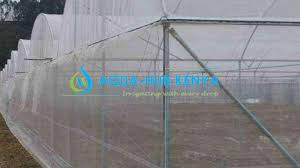
Insect netting is a fine mesh material that physically blocks pest insects from reaching your crops while still allowing air, water, and light to penetrate. Unlike pesticides that can harm beneficial insects or leave chemical residues on produce, insect nets create a physical barrier that keeps aphids, whiteflies, thrips, leaf miners, and other damaging pests off vegetables and fruit plants. These nets are made from UV-treated high-density polyethylene (HDPE) that is both tear-resistant and weatherproof, making them suitable for long-term agricultural use. They can be installed over raised beds, hoop frames, open fields, or greenhouse walls and vents.
Why Vegetable & Fruit Farmers Need Insect Nets
Pest attacks are one of the top causes of yield loss for Kenyan farmers. Traditional control with pesticides is costly and can affect market-ready produce quality. Insect nets provide an effective physical barrier, reducing pest entry without chemicals. They help:
- Reduce pesticide use: saves on cost and improves production of safe, chemical free food.
- Improve crop quality and market value by preventing feeding and disease transmission.
- Support organic farming goals with a non-chemical strategy.
- Enhance microclimate conditions by allowing needed airflow and light.
For crops such as tomatoes, capsicums, kale, and cucumbers, insect netting can significantly cut pest pressure while preserving beneficial insects like bees when timed right. Using the right mesh also prevents invasion from tiny pests such as thrips and aphids that are otherwise hard to control.
How Insect Barrier Nets Work
Insect nets act as a physical pest exclusion system. The mesh has tiny openings small enough to stop insects depending on the mesh size but large enough to allow air circulation, sunlight, and water vapor movement. Simply wrapping or suspending the netting over plant beds or greenhouse openings creates a protective barrier that insects cannot penetrate. Unlike solid covers, the breathable mesh minimizes heat buildup and moisture issues. For best results, secure the netting so it reaches the ground and seal edges with soil or weights so tiny insects cannot slip in. Regular inspection and prompt patching of holes ensure the barrier remains effective throughout the growing seasons.
Insect Netting Mesh Sizes
Fine Mesh (40–60)
Fine mesh sizes (40–60) stop tiny pests like aphids and whiteflies but still allow light and airflow. These are ideal for leafy vegetables and greenhouse crops.
Medium and Coarse Mesh
Larger meshes are suitable for open field crops with bigger insects or bird threats, but they allow smaller pests through. Choosing mesh size depends on your pest profile and crop type; fine mesh for greenhouse veggies, medium mesh for broader field use.
A higher mesh count typically means better pest exclusion but requires careful ventilation planning to prevent heat stress inside greenhouses.
Materials & UV Treatment
High-quality insect nets are made of UV-stabilized high-density polyethylene (HDPE). UV treatment protects the net from sun degradation, extending its usable life outdoors. Without UV protection, nets degrade rapidly under Kenya’s strong sunlight. The HDPE material is:
- Tear-resistant
- Lightweight for easy handling
- Weather-proof for seasonal use
- Reusable across growing cycles
A strong material also resists wind wear, which is crucial if you install nets in open fields. Some nets are also reinforced at edges for easier fastening and reduced tear risk. Investing a bit more in quality materials pays off because durable nets can protect crops for 3–5+ years with proper care.
Insect Netting Prices in Kenya
Understanding insect net prices in Kenya helps you plan your crop protection budget. Prices vary by mesh size, width, and roll length, but typical retail costs are:
| Mesh Size | Price per m² (KES) |
| 40 mesh | 100–150 |
| 50 mesh | 150–220 |
| High density fine mesh | 180–220 |
Smaller width nets (e.g., 1.5–2.5 m) cost less than wide rolls (e.g., 3–5.5 m)
Higher mesh counts that block very small pests cost more, but they often deliver better long-term protection and greater yield security for high-value crops.
Buying our insect nets in bulk or with complete greenhouse installation package attracts discount. For a insect net installation includes the cost of support steel pipes and fasteners in your budget.
Types of Insect Netting for Sale
Farmers can choose from several insect netting options:
- Fine mesh nets for greenhouse pest exclusion.
- Broad field covers to protect open beds.
- Barrier netting for fruit trees, draped over frames or structures.
- Roll nets in various widths and lengths for customized coverage.
Choosing the Right Net for Your Crop Type

Different crops face different pest pressures. For example:
- Tomatoes & Capsicums: benefit from fine mesh netting to stop whiteflies and aphids.
- Leafy Greens: require mesh that blocks smaller insects but still allows airflow to prevent mildew.
- Open-field Vegetables: may need medium mesh combined with row covers for bigger insect threats.
What to Consider When Choosing Insect Nets for Your Crop
- Pest data – consider past pest problems on your crops when buying deciding on the insect net mesh size.
- Crop Height – tall plants require supportive insect netting structures.
- Farm Size – the size of the farm determines the size of insect net your need.
- Quality – the best quality net will last for a long time.
Frequently Asked Questions
1. What size mesh is best for vegetable pests?
Fine meshes (40–50) block small pests like aphids.
2. How much do insect nets cost per square meter in Kenya?
Typical prices are KES100–220/m².
3. Can insect nets reduce pesticide use?
Yes, they physically block pests and cut pesticide needs.
4. Are insect nets reusable?
With care, UV-treated nets can last 3–5+ years.
5. Where can I buy insect netting in Nairobi?
Aqua Hub LTD.
6. Do insect nets affect pollination?
Yes. Use removable nets during bloom to allow pollinators.
7. Can nets be used for fruit trees?
Yes. Drape over frames or construct net houses.
8. What material is best for insect nets?
UV-treated HDPE is most durable.
9. Should I use nets for open field crops?
Yes. consider a support structure for coverage.
10. How to install insect netting properly?
Ensure edges reach the ground and are secured to block all pest entry.