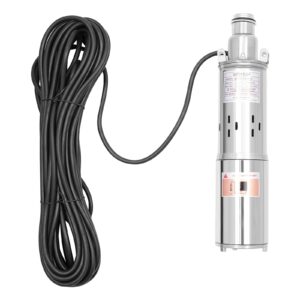
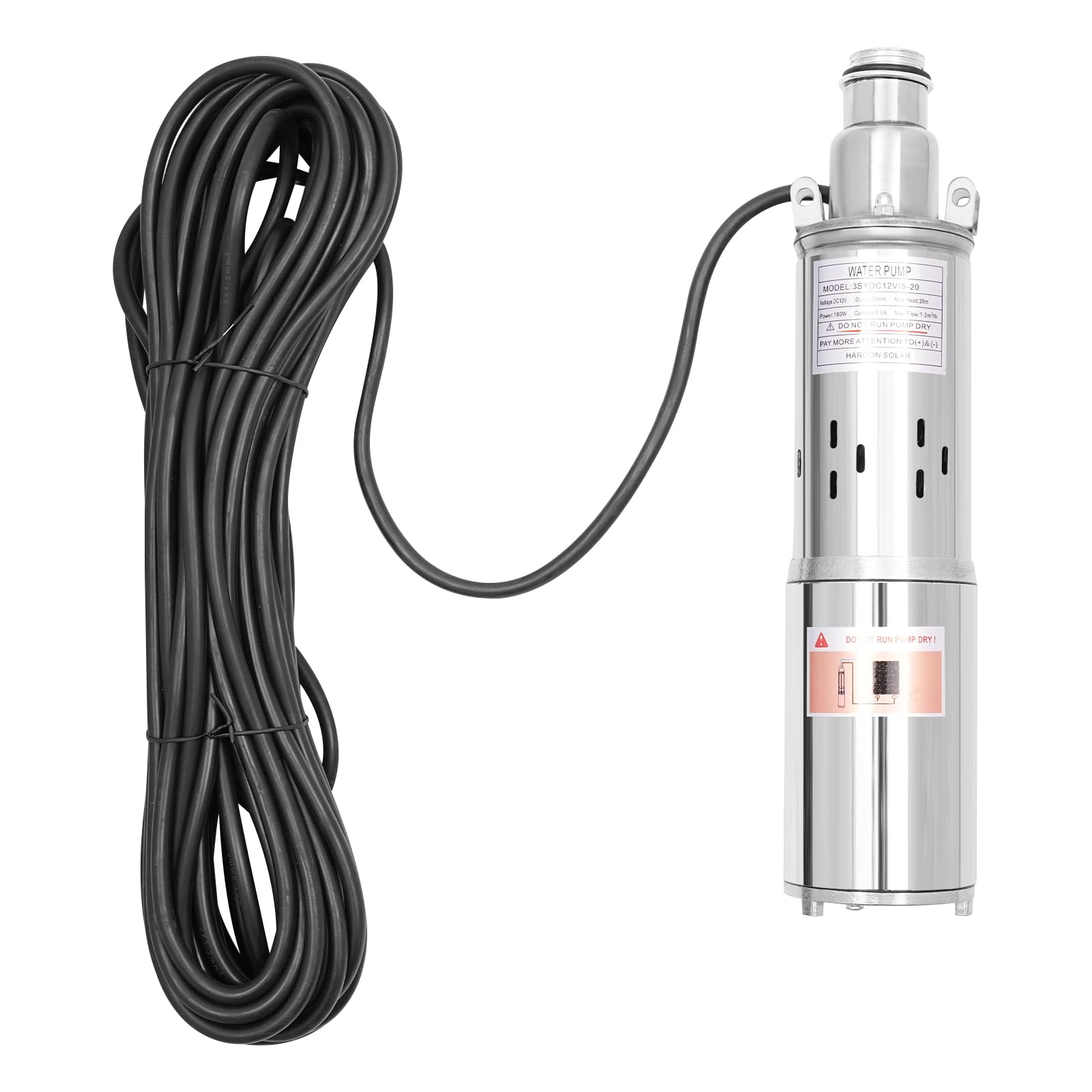
Solar borehole pumps in Kenya are anywhere between KES 35,000 and KES 180,000 depending on flow rate, model and motor size. For a DSD 3/40 submersible pump rated 3 kW, the daily grid power consumption is 12 kW, which is equal to KES 333.84 (calculation based on current KPLC charges per kilowatt). Solarization of the DSD 3/40 pump will reduce pumping cost to zero, and thus you will break even after 2–4 years. The return on investment can also be achieved quickly based on what you are doing with the pump. For instance, if you are using the pump to supply irrigation water, the income from the crop produce generates returns.
Aqua Hub Kenya is a top-rated supplier of high-performance solar borehole pumps in Kenya. We have conducted successful solar borehole pump installations in different parts of Kenya.
To reach us: Call 0711138312
In this comprehensive guide, you’ll explore solar borehole pumping solutions, costs and the recommended dealer to buy from.
Quick Takeaways
- Solar borehole pumps offer reliable off-grid water supply.
- Borehole solarization reduces electricity dependence.
- DC pumps suit smaller systems; AC pumps handle deeper wells.
- Proper sizing ensures cost-efficiency.
- Solar pumping works best with elevated water storage.
- Maintenance is simple and affordable.
Solar Borehole Pump Prices in Kenya
Solar borehole pump prices in Kenya vary based on the size, model, motor size and system components. The cost of solar borehole pumps as of 2026 ranges from KES 35,000 to KES 180,000 for the pump only.
The cost of solar borehole pumps inclusive of complete system components could range from KES 250,000 to KES 500,000 and beyond.
Borehole Pump Specifications
| PUMP | Flow Rate | Motor Rating (kW) | Solar Panel Requirement |
| DSD3/13 | 3m3/hr @65m | 0.75 | 9×200W |
| DSD3/18 | 3m3 /hr @90m | 1.1 | 9×200W |
| DSD3/30 | 3m3 /hr @150m | 2.2 | 10×350W |
| DSD5/10 | 5m3/hr @35m | 0.75 | 9×200W |
| DSD5/18 | 5m3/hr @65m | 1.5 | 10×350W |
| DSD5/24 | 5m3/hr @85 | 2.2 | 10×350W |
| DSD8/12 | 8m3/hr @ 48m | 1.5 | 10×350W |
| DSD8/17 | 8m3/hr @70m | 2.2 | 10×350W |
Solar Borehole Pumping: Addressing Water Crisis in Kenya
Reliable water access remains one of the biggest challenges for homes, farms, schools, and community projects across Kenya. With rising electricity costs and frequent outages, people are turning to solar borehole pumps as a long-term solution. Through borehole solarization, you can power your water system using the sun cutting operating expenses and improving reliability.
Why Solar Borehole Pumps in Kenya
Kenya experiences abundant sunshine throughout the year, making solar energy one of the most practical solutions for water pumping. In rural places where grid electricity is unavailable or unreliable, off-grid solar water pumping systems have become essential for agriculture and domestic use.
Several factors are driving adoption of solar borehole pumps:
- Rising electricity tariffs
- High diesel generator fuel costs
- Increased irrigation demands due to climate variability
- Government encouragement of renewable energy solutions
Unlike diesel pumps, solar borehole systems have minimal running costs after installation. For irrigation or livestock farming, the savings over 3–5 years can be substantial
How Does a Solar Borehole Pump Work
Understanding how a solar borehole pump works helps you choose the right system. The dynamics of solar pumping system is straightforward:
- Solar panels capture sunlight and produce DC electricity.
- The electricity flows into a solar pump controller or inverter.
- The controller regulates voltage and protects the pump.
- The solar submersible pump motor lifts water from the borehole to storage tanks.
Solar pumps push water to elevated tanks or directly to the point of use during peak sunlight hours. Backup batteries can also be included in the system configuration to power the pumps when sunlight is unreliable.
Types of Solar Borehole Pumps
We have different solar borehole pump options you can choose to match the depth, water demands and your budget. They include:
DC Solar Submersible Pumps
These are engineered to operate on direct electric current from the solar panels. Common features include:
- Operate DC current
- Energy efficiency
- Ideal for shallow to medium depths (30–120m)
- Lower system complexity
DC solar pumps are common for small farm or domestic water pumping projects.
AC Solar Submersible Pumps
AC solar submersible pump motors are powered by alternating current (AC). For that case, they need an inverter to convert high-voltage DC power to AC.
Common features:
- Require a solar pump inverter
- Suitable for deeper boreholes (100–200 m+)
- Higher flow rates
- Ideal for commercial irrigation
Hybrid Solar Borehole Systems
- Combine solar with grid or generator
- Automatic power switching
- Ideal for institutions and hospitals
DC pumps are more efficient for purely off-grid setups, while AC pumps are flexible when integrating into existing electrical systems.
What Is Included in a Solar Borehole Pump Complete Kit?
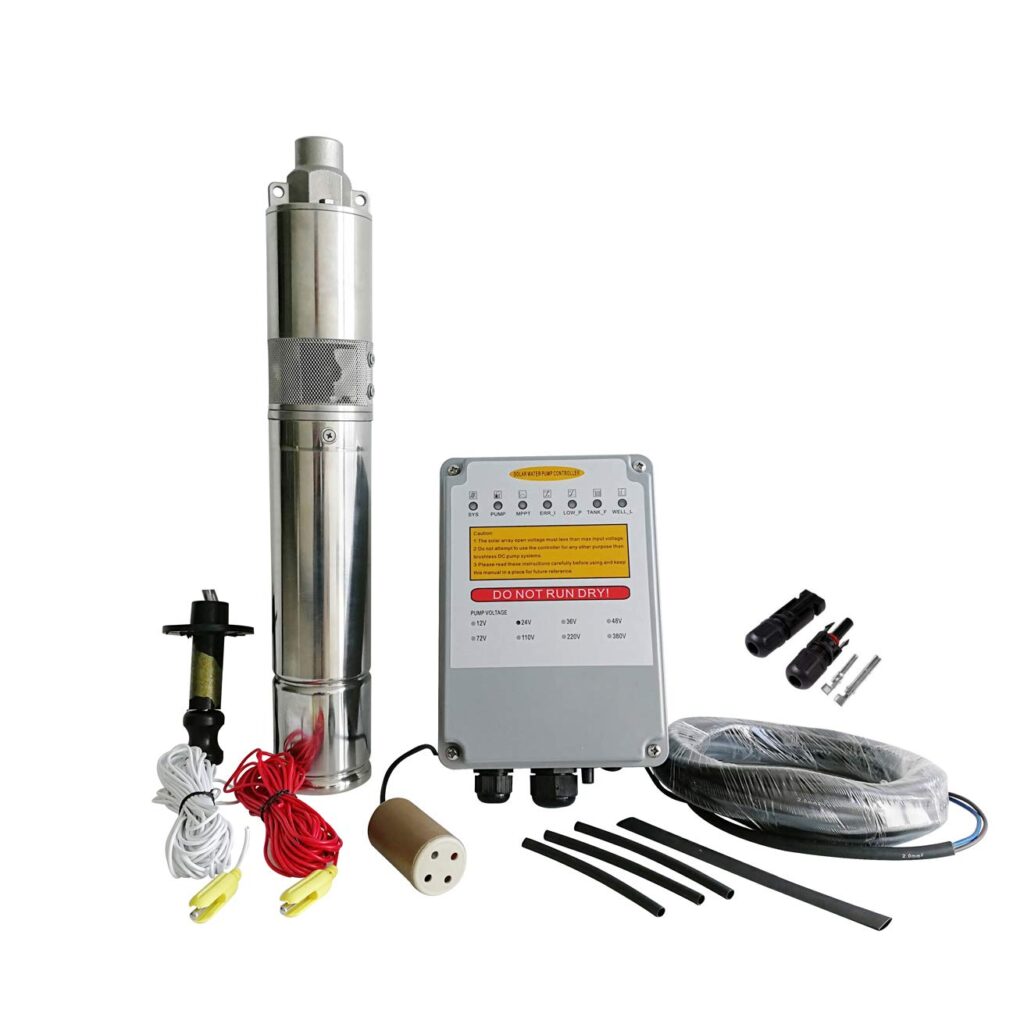
Includes a list of accessories needed to install a solar borehole pumping system. Include but not limited to:
- Solar panels with connectors.
- Mounting structures
- Solar submersible pump
- Inverter for AC pump
- Submersible drop cable and joint.
- 10m module connection cable
- MPPT controllers.
Optional Solar Pump Accessories:
- Float switches
- Remote monitoring systems
- Battery backup
Borehole Pump Buying Considerations
When evaluating or selecting a solar pump, confirm:
- Pump depth rating
- Flow rate (litres per hour)
- Head
- Power consumption (kW)
- Warranty
- Panel power capacity
- Water source
Solar Panel Requirement
When sizing solar panels for your borehole pumping system, you need to consider the pump motor power rating. The recommended pump as per the borehole yield and flow rate desired will in determines the solar panel capacity.
Total solar panel capacity is calculated by multiplying the panel capacity by the hours of peak sunlight.
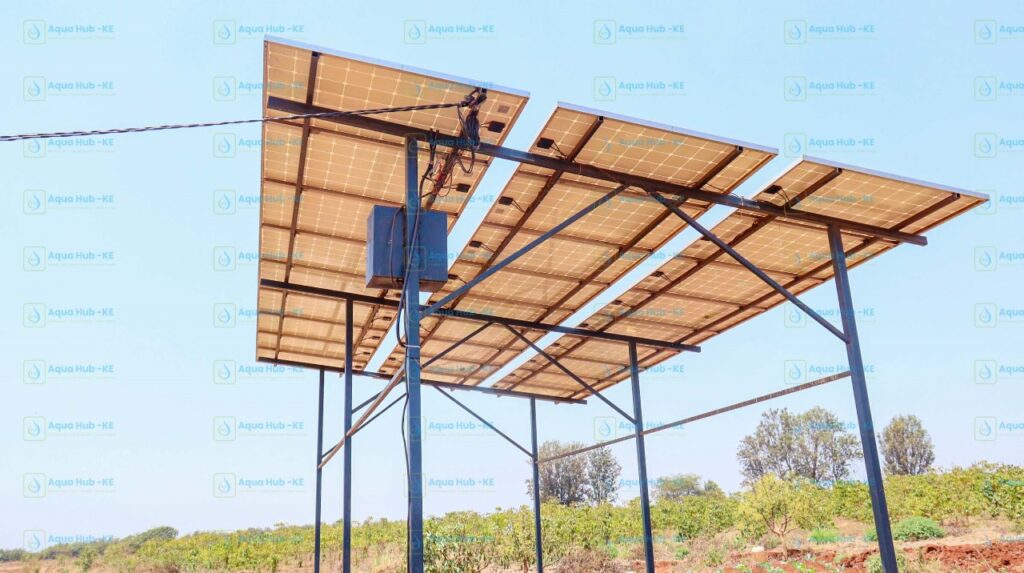
Below is a 5.6 Kw solar panel setup for a submersible borehole in Kajiado. We used 16 solar panels rated 350 each to power the pump.
Factors affecting cost of Solar borehole Pumps
- Borehole depth
- Pump horsepower
- Panel wattage required
- Installation complexity
Solar Borehole Pump Installation Process
Any solar pump installation project should be done carefully by
Proper solar borehole pump installation ensures efficiency and long lifespan.
Step-by-Step installation of Solar Borehole Pumps
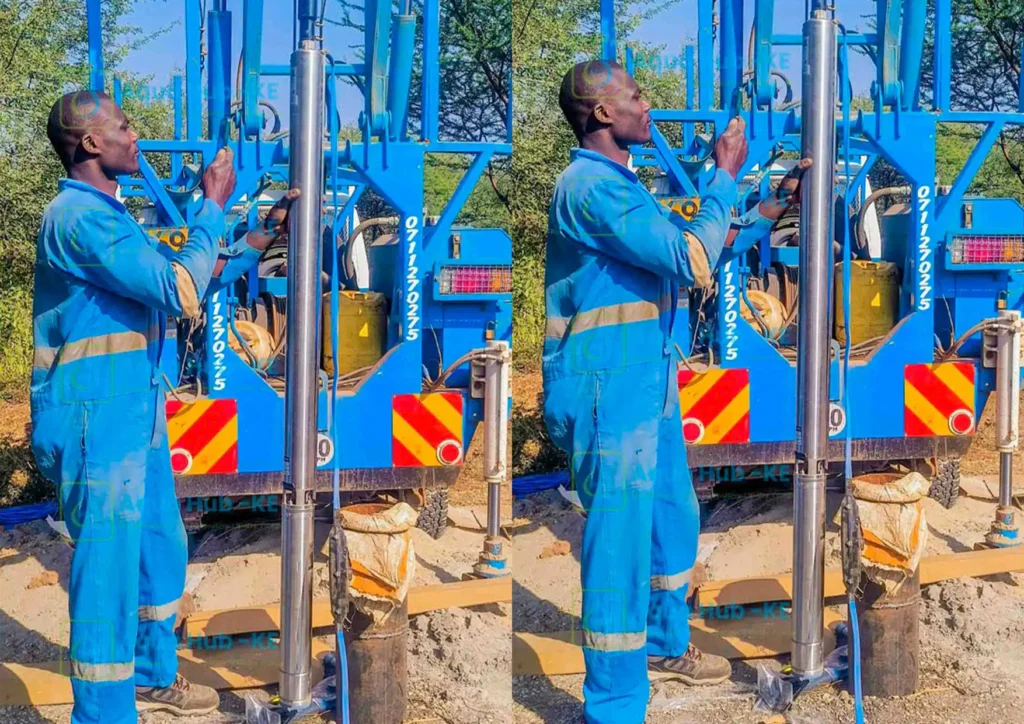
- Borehole assessment and pump sizing
- Solar panel system design
- Mounting structure installation
- Lowering pump into borehole
- Wiring and inverter configuration
- Testing and flow calibration
How to Use Solar to Pump Water Efficiently
Here are the common tips you can use to achieve efficiency with solar pumps. Here are the best practices to ensure solar pumps work for you:
- Pump during peak sunlight
- Store water in elevated tanks
- Use gravity-fed distribution
- Avoid undersized wiring
Using solar pump for drip irrigation water supply helps lower the cost of irrigation. Often costs less compared to pumping water with diesel or electric pumps.
Maintenance and Troubleshooting
Maintenance for solar borehole systems is relatively simple:
- Clean solar panels anytime they are filled with dust to prevent sunlight blockage.
- Check cable connections annually
- Monitor pump noise and vibration
- Inspect controller error codes
Dust buildup on panels can reduce efficiency of sunlight capture by 10–20%.
Benefits of Solar Borehole Pumps
Solar systems are advantageous in many ways:
- Zero fuel costs
- Low operating expenses
- Eco-friendly energy use
- Reliable rural water access
- Minimal maintenance
For communities and institutions, solar borehole systems also enhance water security during national power outages.
Where to Buy Solar Borehole Pumps in Kenya
If you want to supply water from a borehole or well, you need a reliable pump solution. Solar borehole pumps from Aqua Hub Kenya are the cost-effective solution, cuts down electric bills to zero.
Call 0711138312
Frequently Asked Questions
1. How much does borehole solarization cost in Kenya?
Costs range from KES 150,000 to 500,000 depending on system size and pump capacity.
2. What depth can solar borehole pumps handle?
between 30m and 250m.
3. Do solar borehole pumps require batteries?
Not necessarily. You can use tanks to store water for use when sunlight is unavailable.
4. How long do solar borehole pumps last?
20 – 25 years.
5. Are solar pumps good for irrigation?
Yes. Works perfect for gravity-fed irrigation.
6. Can I solarize an existing AC pump?
Yes, using a compatible solar pump inverter.
7. How do I choose the right solar borehole pump?
Consider borehole depth, daily water demand, and storage capacity.
8. What maintenance is required?
Panel cleaning and annual electrical checks.
9. Is solar water pumping cost-effective long term?
Yes. energy savings often recover installation costs within a few years.
10. Where can I Buy Solar Pumps
Aqua Hub Kenya.