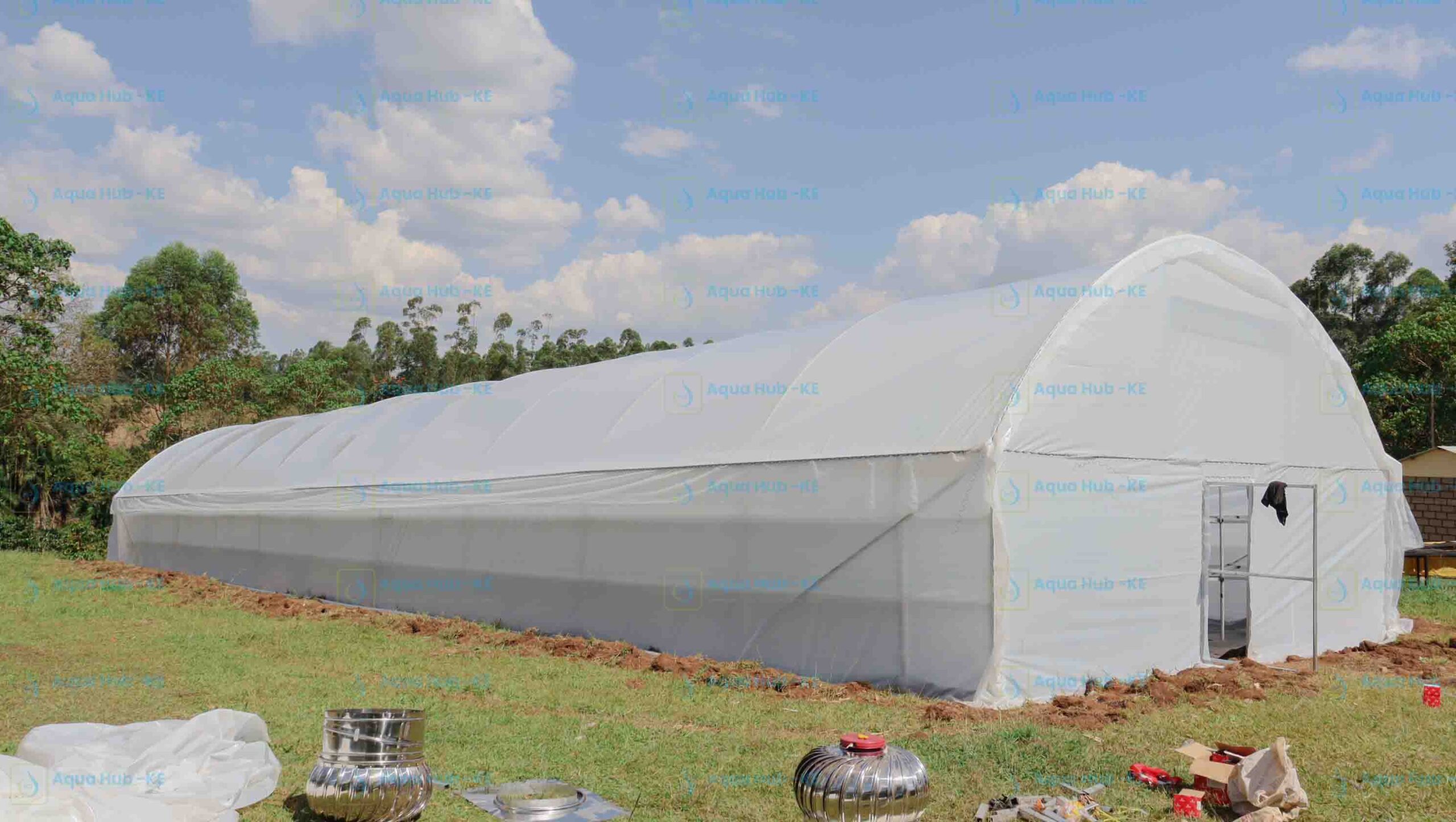
Solar dryers are one of the smartest technologies for preserving food in a clean, safe, and energy-efficient way. Instead of relying on electricity or traditional open sun-drying methods, these dryers use only sunlight and controlled airflow to remove moisture from products. They protect food from dust, insects, animals, and sudden rain problems that often ruin food during regular sun drying.
They’re popular among farmers, small businesses, home gardeners, herbalists, and anyone looking to cut energy costs while improving food quality.
Solar dryers offer affordable and efficient way of preserving crop products to meet top quality standards required in the local and export market. By drying fruits, tea, coffee, herbs and other agricultural products, the quality, flavour and safety is improved.
If you are looking for affordable Solar drying solutions, Aqua Hub LTD is here to help you design a reliable dryer for you.
Call 0790719020
Cost of Solar Dyers in Kenya
Solar Dryers cost between KES 150,000 to over KES 1,000,000 depending on the size, drying capacity and type of solar dryer.
What Are Solar Dryers?
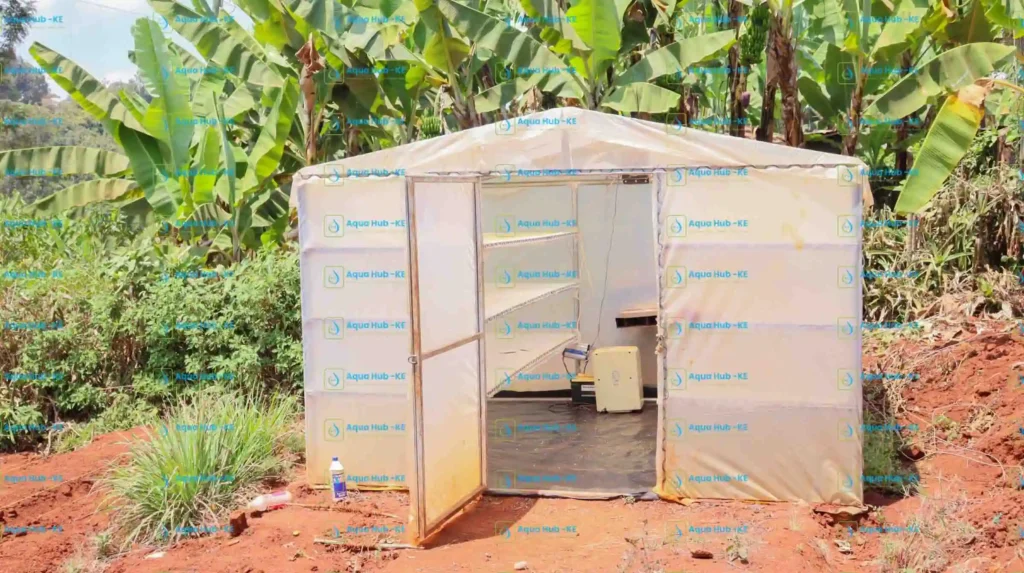
A solar dryer is a device that traps sunlight, converts it into heat, and uses that heat to dry foods or agricultural materials. Unlike traditional outdoor sun-drying, where food is exposed, solar dryers provide a protected chamber. This prevents contamination and ensures more uniform drying.
What to Dry on Solar Dryers
Solar dryers are used to preserve a wide range of products:
- Fruits like mangoes, bananas, grapes
- Vegetables like peppers, tomatoes, leafy greens
- Herbs and medicinal plants
- Fish, meat (in suitable models)
- Grains and seeds
- Wood, textiles, even industrial materials
Because they require no electricity, they’re ideal for rural areas or anyone with a goal of cutting energy costs.
How Solar Dryers Work
The basic principle of solar dryers is simple: warm air removes moisture. Solar dryers heat air using sunlight. This hot air flows through a drying chamber and passes over the food. As it moves, it absorbs moisture and carries it out through exhaust vents.
A basic solar dryer has:
- A solar collector – captures sunlight and heats air.
- A drying chamber – holds the food on trays.
- An airflow system – allows hot air in and moist air out.
Some dryers expose the food to sunlight directly, while others dry through heated air alone. Regardless of the design, the goal is to create a controlled environment where drying happens faster, safer, and more evenly.
Types of Solar Dryers
Different drying needs require different dryer designs. Here are the main types:
1. Direct Solar Dryers
These allow sunlight to hit the food directly inside a chamber covered using transparent glass or greenhouse polythene. They are simple and cheap to build, making them perfect for home use. However, direct exposure to sunlight may reduce color or nutrients in sensitive foods.
2. Indirect Solar Dryers
In these models, sunlight heats the air in a separate solar collector. This hot air then flows into the drying chamber, meaning the food never receives direct UV exposure. This is excellent for herbs, leafy vegetables, specialty food items, and commercial-quality products.
3. Mixed-Mode Solar Dryers
These combine the benefits of both direct and indirect systems. They heat the product via sunlight and warm air simultaneously. They’re fast, efficient, and great for small businesses.
4. Passive vs. Active Dryers
- Passive dryers rely on natural airflow. They’re cheaper but slower in humid climates.
- Active dryers use fans (often solar powered) to move air faster. They work well in all climates, especially for commercial use.
Key Parts of a Solar Dryer
A good dryer depends on the quality of its components:
Solar Collector
A black surface covered with transparent plastic or glass. It traps heat and increases air temperature before it enters the drying chamber.
Drying Chamber
This protective compartment holds the food on trays and regulates airflow, temperature, and humidity.
Airflow System
Includes vents, chimneys, or fans. Good airflow prevents Mold and speeds up drying.
Trays or Mesh Racks
Trays support food products while allowing air to pass through. Stainless steel or food-grade plastic mesh is ideal.
Insulation
Keeps heat inside the dryer. Foam, wood, and sometimes fiberglass improve efficiency.
How to Build a Simple Solar Dryer
A basic solar dryer can be designed with affordable materials:
Materials Needed
- Wood or steel frame
- Transparent greenhouse sheet
- Black material or liner
- Mesh trays
- Nails, screws, hinges
- Vents for airflow
Choosing the Right Solar Dryer: What to Consider
1. Your Climate
Dry, sunny areas: passive dryers work well
Humid regions: active dryers are more reliable
2. What You Want to Dry
Herbs → Indirect dryers
Fruits → Mixed or direct dryers
Commercial use → Active mixed-mode systems
3. Budget and Size
Larger operations need bigger chambers, stronger airflow, and sturdier materials.
Common Mistakes People Make
Building a dryer that’s too small
Poor insulation, leading to heat loss
Weak airflow that causes mold
Using unsafe or non-food-grade materials
How to Dry Produce Using Solar Dryers
To begin, properly prepare your fruits and vegetables. After thorough cleaning and removal of any bruised fruits, cut them into uniform pieces so they dry at the same pace. Slices that are thinner typically dry more quickly.
The slices items should be placed in the trays of the solar dryer as soon as they have been prepared and pre-treated. A good amount of air is necessary in the solar dryer trays for air movement; if the trays are densely packed with food, air will have difficulty passing through them and could even cause mold. The warm air that circulates throughout the entire solar dryer during the daytime will gradually remove moisture from the food.
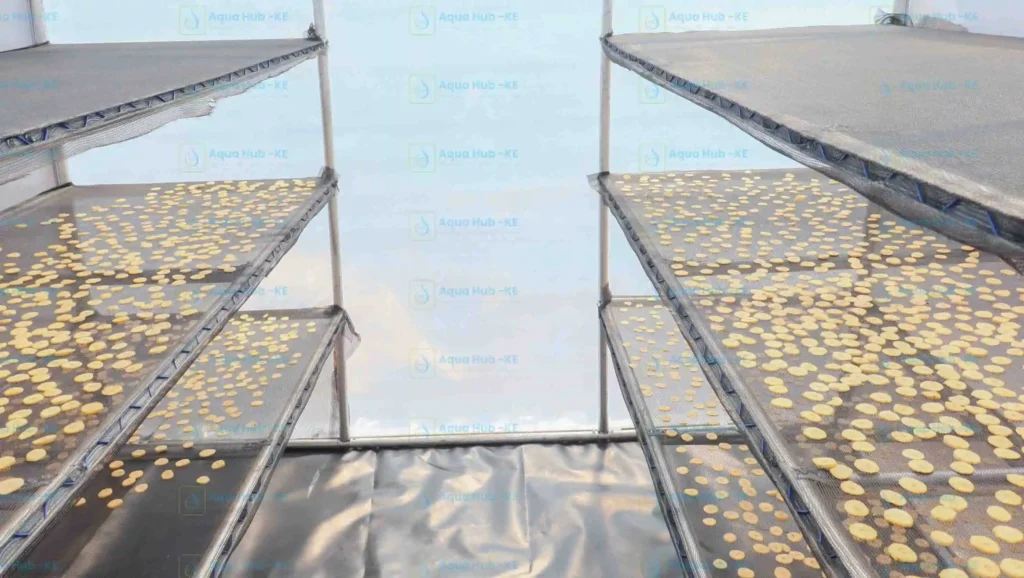
The amount of time the food will take to dry depends on what kind of food it is, the thickness of the slices, and type of solar dryer. For example, herbs can be dried in just a few hours, while fruits such as mangoes or tomatoes may take between 1 and 2 days. To determine if the food has dried properly, you should be able to put your hand on it and feel whether it has a leathery or crisp surface, and that there is no moisture in the interior of the dried produce.
Once the moisture in the produce has been completely removed, you can store the dried pieces in airtight jars, bags or containers. It is recommended to store these items in a cool location that does not receive direct sunlight. You can store dried produce without refrigeration for extended periods of time if it has been packaged properly.
Advantages of Solar Dryers
Solar dryers offer many benefits that make them more effective than open sun drying or electric dehydrators:
1. saves on operation cost
After construction, they run almost for free because the sun provides all the energy.
2. Fast Drying
hybrid Solar dryers can cut drying time by 30–50% thanks to higher temperatures and controlled airflow.
3. Better Food Quality
Food remains cleaner, retains taste and nutrients.
4. Eco-Friendly
They use renewable energy and reduce greenhouse gas emissions.
5. Reduced Post-Harvest Loss
Farmers can dry surplus harvests instead of letting them rot.
6. Higher Market Value
Dried products that look cleaner and brighter sell for higher prices.
Applications of Solar Dryers
Solar dryers are versatile and serve different sectors:
Agriculture
Used to dry crops like maize, chilies, onions, and fruits to reduce waste and increase income.
Food Processing
Best for drying produce such as mangoes, banana chips, spices, teas, and vegetable powders in food processing startups.
Herbal and Medicinal Use
Medicinal leaves retain more potency when dried in indirect solar dryers.
Fishing Communities
Solar dryers help dry fish without contamination from flies, sand, or animals.
Commercial and Industrial Use
Solar dryers can be scaled up to dry wood, fabrics, chemicals, and seeds.
Maintenance and Care
Solar dryers need minimal maintenance, but proper care ensures they last for years.
Cleaning
Wipe trays and surfaces regularly. Wash trays with mild soap and water to maintain hygiene.
Preventing Mold
Don’t overload trays. Ensure steady airflow by checking vents and clearing blockages.
Longevity Tips
Repaint the collector occasionally, repair cracks, and store the dryer under shade when not in use for long periods.
The Future of Solar Drying Technology
Solar drying is evolving quickly thanks to innovations in materials, design, and digital technology.
Innovations
New collectors, reflective surfaces, and improved chamber insulation increase efficiency. Lightweight portable dryers are becoming popular.
Smart Solar Dryers
Some modern models include:
Temperature sensors
Humidity controllers
Solar-powered fans
Mobile apps for monitoring
These features help users achieve more consistent, high-quality drying.
Market Potential
As demand for dried foods grows globally, solar dryers are becoming essential equipment for small farmers, food entrepreneurs, and rural communities. They help reduce food waste and provide sustainable income opportunities.
FAQs
1. What is a solar dryer and how does it work?
A solar dryer is a device that uses sunlight and controlled airflow to remove moisture from food. It traps heat inside an enclosure, speeding up drying while protecting food from dust, pests, and contamination.
2. What foods can be dried using a solar dryer?
Solar dryers can dry fruits, vegetables, herbs, grains, fish, and meat. Common products include mangoes, bananas, tomatoes, chili, leafy greens, and spices.
3. Why is a solar dryer better than open sun drying?
Solar dryers’ dry food faster and are more effective than open sun drying. They prevent dust, insects, and nutrient loss, and work even in partially cloudy conditions.
4. How much does a solar dryer cost?
KES 150,000 to over KES 1,000,000.
5. How long does it take to dry food in a solar dryer?
1 – 3 days as per the type of dryer.
6. Are solar dryers effective during the rainy season?
Hybrid solar dryers are effective because they use alternative energy sources when solar energy is limited.
7. Do solar dryers preserve nutrients?
Yes. Solar dryers protect food from overheating and thus retain vitamins better than traditional open drying.
8. What is the lifespan of a solar dryer?
Over 10 years
9. How do I maintain a solar dryer?
Clean the trays regularly, check ventilation, repair any tears in the cover, and store the dryer under shelter to extend its lifespan.
10. Can solar dryers be used for commercial food processing?
Absolutely. Commercial solar dryers are widely used to produce dried fruits, vegetables, herbs, and spices for markets, supermarkets, and export.